
The complete guide
Choosing Wet Food For A Cat Aged 11 And Over
The problem with feeding an older cat
Somewhere around the eleven year mark, a lot of cats start eating differently. Not dramatically, usually. They just slow down a bit at the bowl, leave more behind, or get picky about a food they have eaten happily for years. Maybe they take longer over a meal. Maybe they walk away and come back three times.
Owners notice, and then they stand in the pet aisle trying to work out whether that is a food problem, an age problem, or nothing at all. It is a genuinely confusing moment, partly because the shelf is full of bags and cans shouting different things at you.
Here is the honest answer. Only your vet can tell you whether a change in appetite needs looking into, and that conversation is worth having. What a food like this one can do is remove a few of the practical obstacles. Soft texture. Strong smell. Small portions. A recipe the maker has formulated specifically for cats aged 11 and over. None of that is magic, but it takes some friction out of mealtime.
What this product actually is
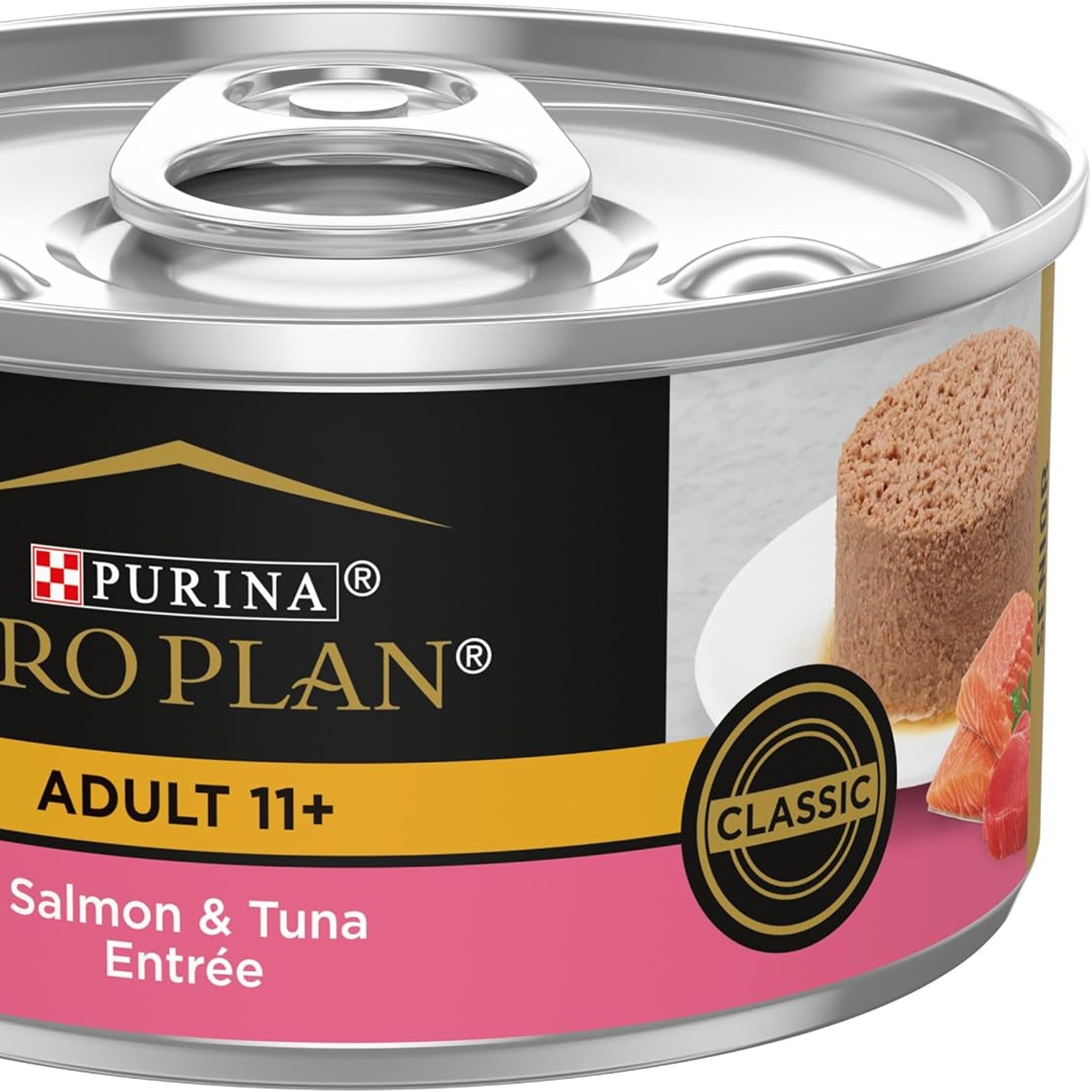
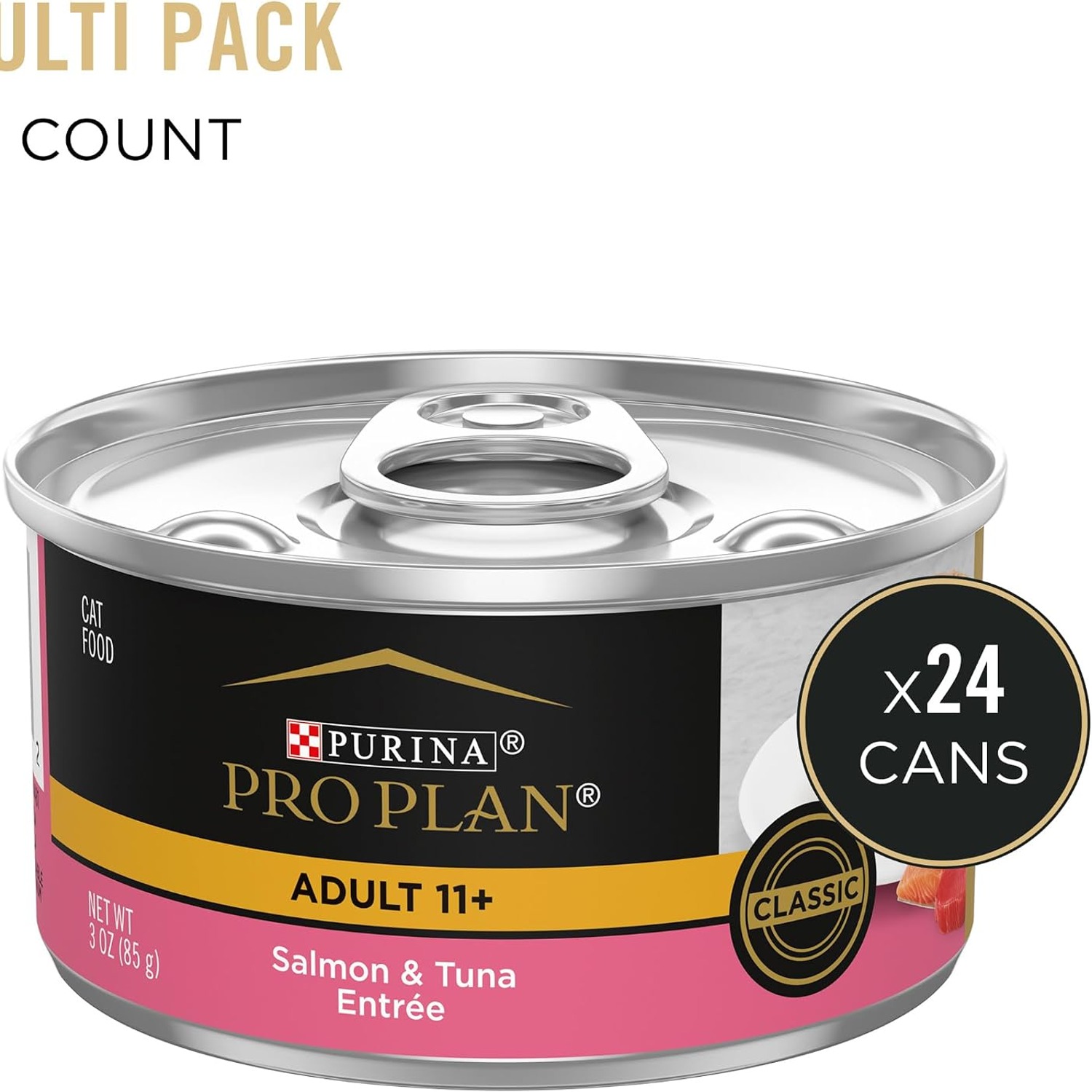
Stripped of marketing, this is a case of twenty-four pull-top cans of Purina Pro Plan wet cat food in a salmon and tuna pate. The listed unit count for the whole pack is 2040 g, with an item weight of 84.9 g given in the maker's description. Purina Pro Plan states it is formulated to meet the needs of cats aged 11 and over, and lists it as suitable for all breed sizes.
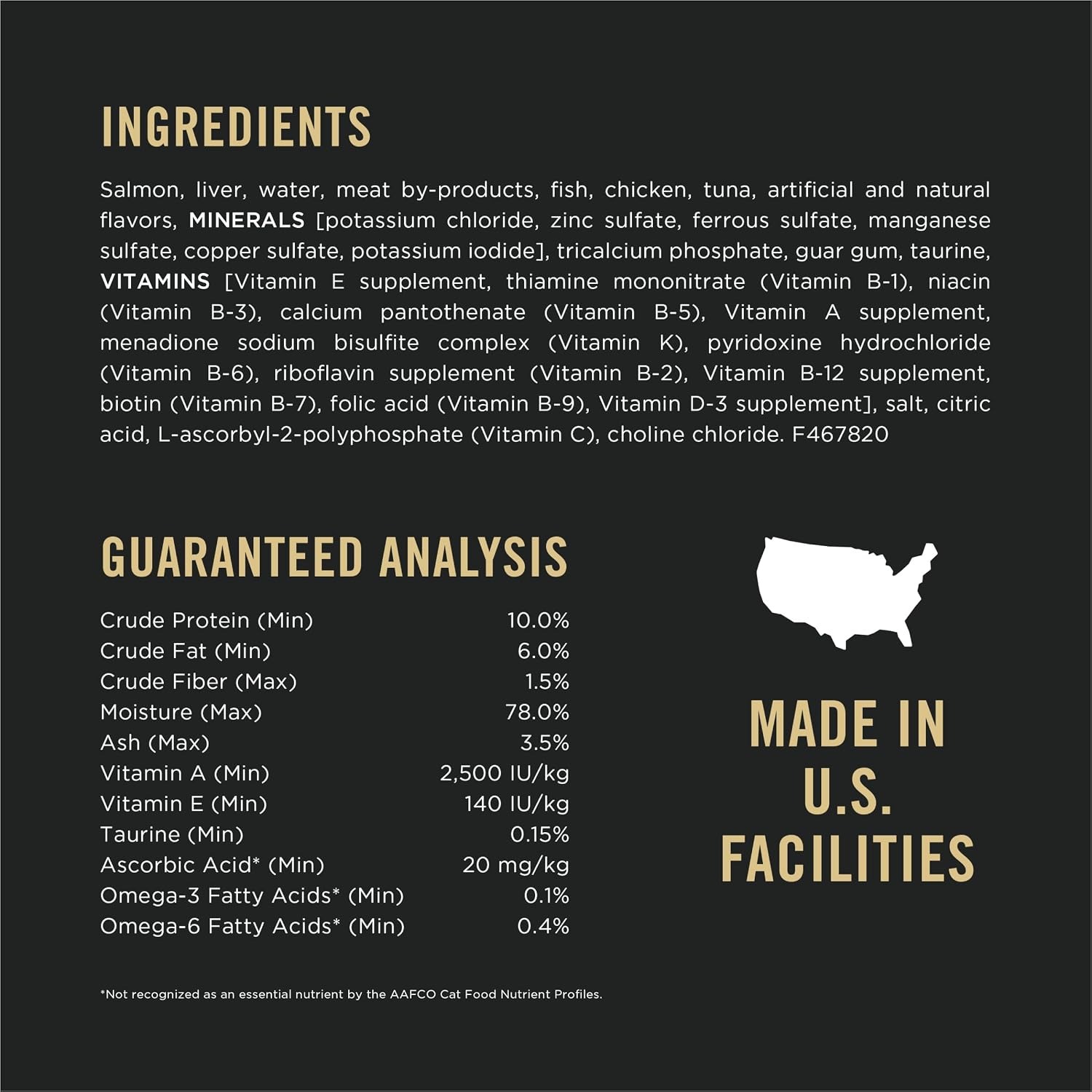
Salmon is the first ingredient. After that the maker lists liver, water sufficient for processing, meat by-products, fish, chicken and tuna, then flavours, minerals, added colour, tricalcium phosphate, guar gum, taurine and a run of vitamins. The full list is reproduced in the specifications on this page, straight from the maker, so you can read it properly rather than squinting at a photo.
The guaranteed analysis from Purina Pro Plan gives crude protein at a minimum of 10.0 percent, crude fat at a minimum of 6.0 percent, crude fibre at a maximum of 1.5 percent and moisture at a maximum of 78.0 percent. That high moisture figure is normal for wet food and is a big part of why people choose it.
Why texture matters more as cats age
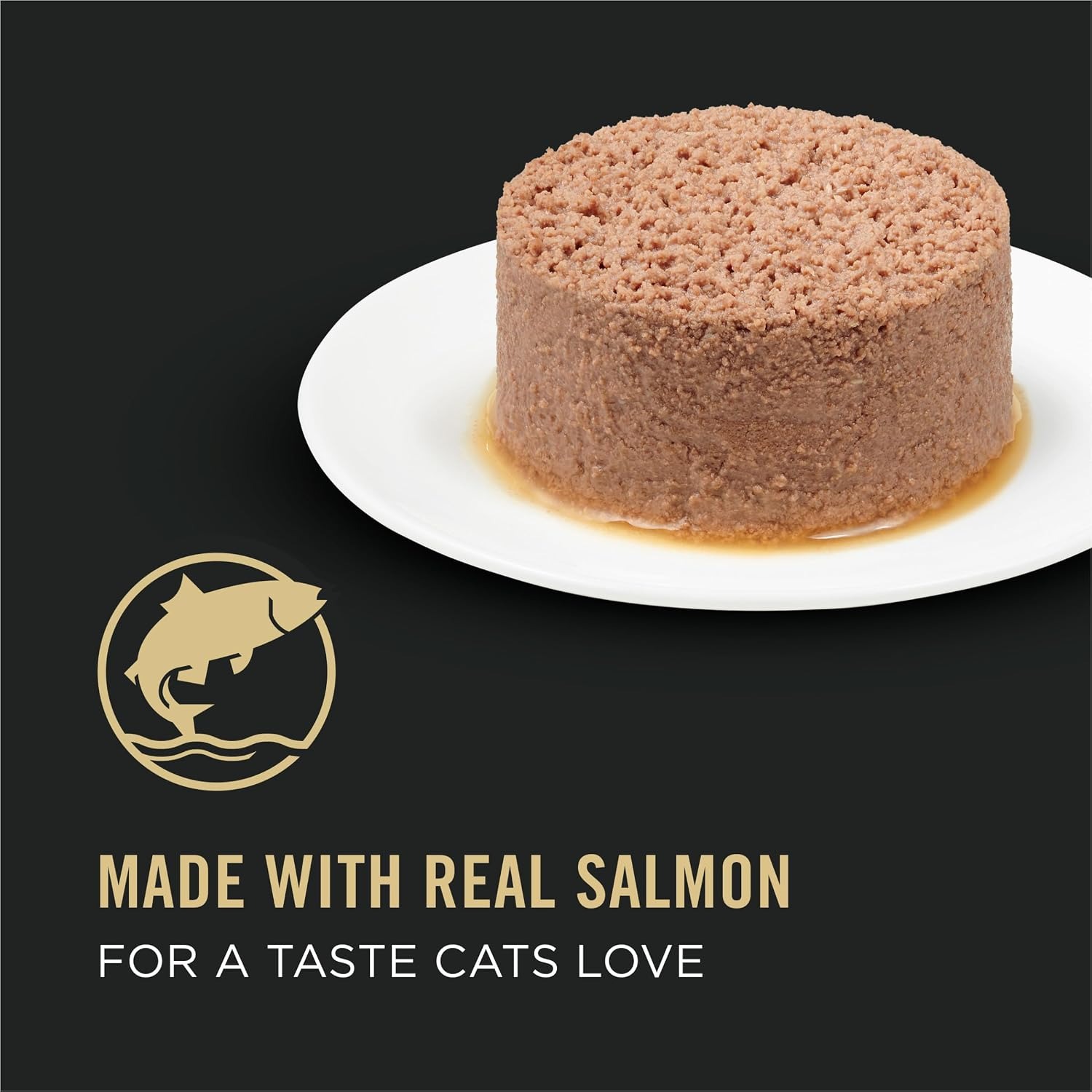
Pate is a single smooth consistency. There are no chunks to pick out, no gravy separating from the solids, nothing that has to be chewed in any meaningful sense. You can spoon it into a shallow dish, spread it thin, or roll it into a small ball if your cat likes that.
For a younger cat, texture is mostly a preference. For an older one, it can be the difference between a finished bowl and a half-eaten one. People searching for the best soft food for senior cats are generally circling this exact point without quite saying it out loud.
The other advantage of a smooth pate is portion control. If your cat eats small amounts often, you can take half a can out, cover the rest and put it in the fridge. The maker specifically advises refrigerating any unused portion. A chunky food tends to dry out faster once it is disturbed. Pate holds together better.
The pull-top can, which is a bigger deal than it sounds
Every can in this pack has a pull-tab lid. No opener, no hunting through the drawer, no fiddling about at six in the morning while a cat makes its feelings known at your ankles.
If you feed wet food twice a day, that is roughly seven hundred can openings a year. Removing a step from a task you do that often is worth something. It is also easier on hands that are not as strong as they were, which matters to plenty of people who have had the same cat for over a decade. This is a quiet reason the best pull top cat food cans sell as well as they do.
Who this suits, and who it does not
It suits a cat aged 11 or over who likes fish. It suits a household that wants to buy once and be set for a while. It suits anyone who has found that their cat eats pate more readily than chunks.
It does not suit kittens or younger adult cats, who are better matched with a food made for their stage. It does not suit a cat who turns their nose up at anything fish-flavoured, and some do. And it is not the right choice if your vet has put your cat on a specific prescription diet, in which case follow that advice rather than anything you read here.
If your cat has a health condition, an allergy, or a sudden change in how much they are eating, talk to your vet before changing their food. That is not us dodging the question. It is just that a diet decision for a particular animal needs someone who has examined that animal.
How to choose between the options on the shelf
A few things actually help when you are comparing wet cat foods.
Start with life stage. A food formulated for 11+ cats has been put together with that group in mind by the maker, and matching the stage is a reasonable baseline. Then look at the first ingredient, because ingredient lists run in order of weight. Here it is salmon.
Think about format next. Pate, chunks, shreds, mousse. If your cat has an established preference, back it. If you are not sure, pate is the safer starting point with an older cat.
Then consider the practical side. Can size against how much your cat eats in a sitting. Whether the can opens easily. How many cans you can store. A pack of twenty-four is excellent value per can, but only if your cat will actually eat them, which is why trying a recipe before buying a case is sensible if you can.
Finally, price per can rather than price per pack. That is the number that tells you what feeding your cat actually costs week to week, and it is where buying what amounts to the best bulk wet cat food usually wins.
Making the switch without drama
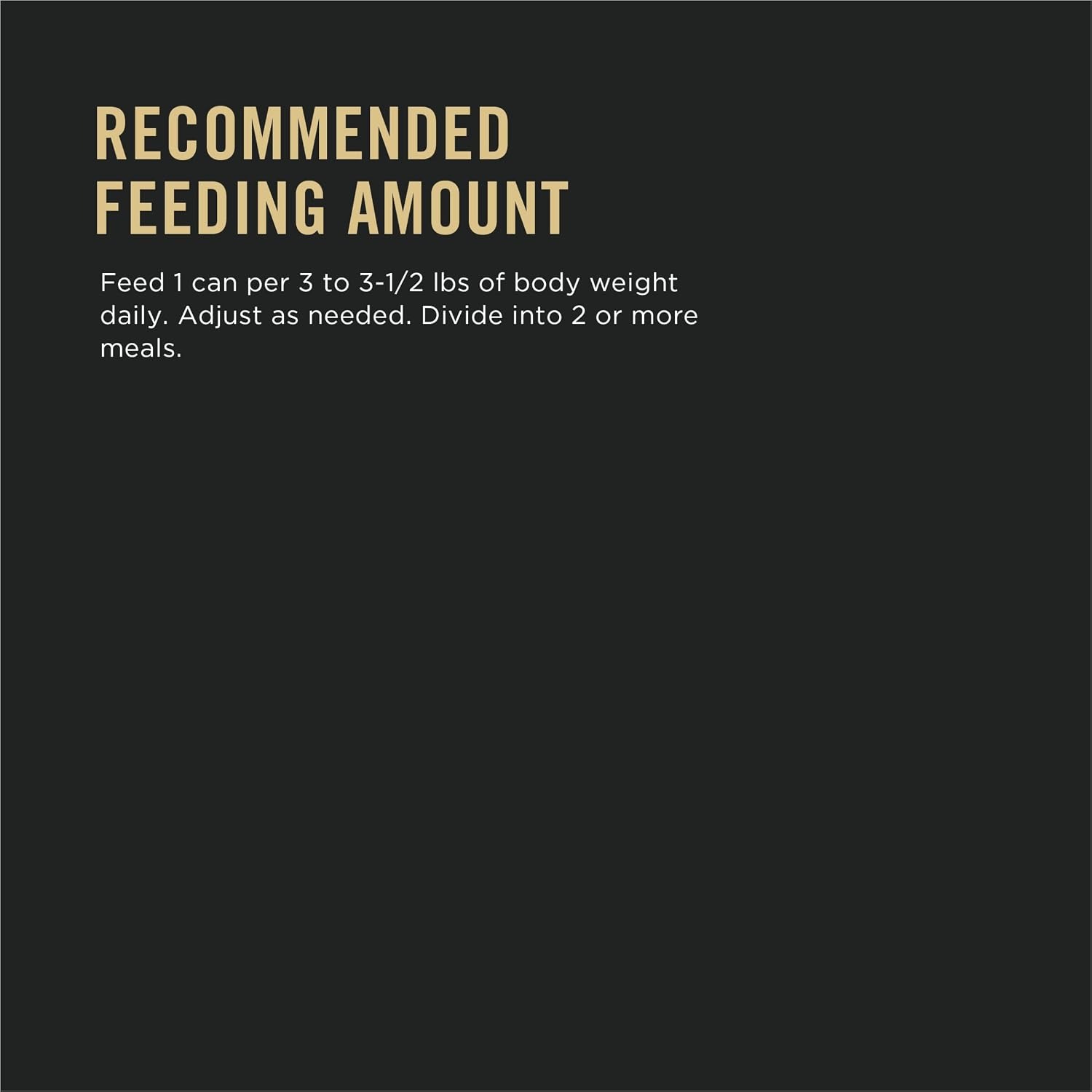
Purina Pro Plan is clear about this one. Allow seven to ten days to move your cat across from their current food. Each day, feed a little less of the old and a little more of the new, until they are eating the new food on its own.
Rushing it is the most common mistake. Cats are creatures of habit and their digestive systems like consistency. Spreading the change over a week and a bit costs you nothing except patience, and it tends to go much more smoothly. If anything seems off during the transition, pause and ring your vet.
Storage and everyday care
Unopened cans go in a cool, dry cupboard away from direct sunlight. They stack neatly, so a case does not need to take over the pantry.
Once a can is opened, cover it and refrigerate any portion you are not serving. Some cats dislike food straight from the fridge, so letting it sit out for a few minutes to take the chill off can help. Wash the bowl between meals, since wet food residue goes off quickly and smells worse than you would expect. Fresh drinking water should always be available, regardless of what your cat is eating.
The best-before date is printed on the pack. Check it when your order arrives and use the older cans first if you keep more than one pack on hand.
Delivery and returns in plain terms
Orders are dispatched within 2 working days, then it is up to 7 working days by tracked courier. Delivery is free on orders over $99 and $12 below that.
Unopened, sealed packs can be returned within 14 days of delivery, with return postage paid by you. Opened food cannot be returned for change of mind, which is standard for anything edible. The Australian Consumer Law applies in full and nothing in our policy reduces those rights. If a pack arrives damaged, send us a photo and we will deal with it.
The short version
This is twenty-four pull-top cans of Purina Pro Plan salmon and tuna pate, formulated by the maker for cats aged 11 and over. Salmon leads the ingredient list, the texture is smooth all the way through, and the cans open without a tool.
If your older cat eats fish and gets on better with pate than chunks, it is a straightforward, practical choice to keep in the cupboard. Transition over seven to ten days as the maker suggests, refrigerate what you do not use, and check the date on the pack when it lands.
And for anything to do with your cat's health, weight or appetite, your vet is the one to ask. We will happily tell you what is in the can.