
The complete guide
Wet Kitten Food Trays: A Practical Buyer's Guide
The problem with feeding a kitten
Kittens eat often and in small amounts. That sounds simple until you are living it. You open a tin, your kitten eats a third of it, and the rest goes in the fridge under cling film where it dries out and gets ignored at the next meal. Repeat that twice a day and you waste a surprising amount of food, plus the fridge starts to smell like a cattery.
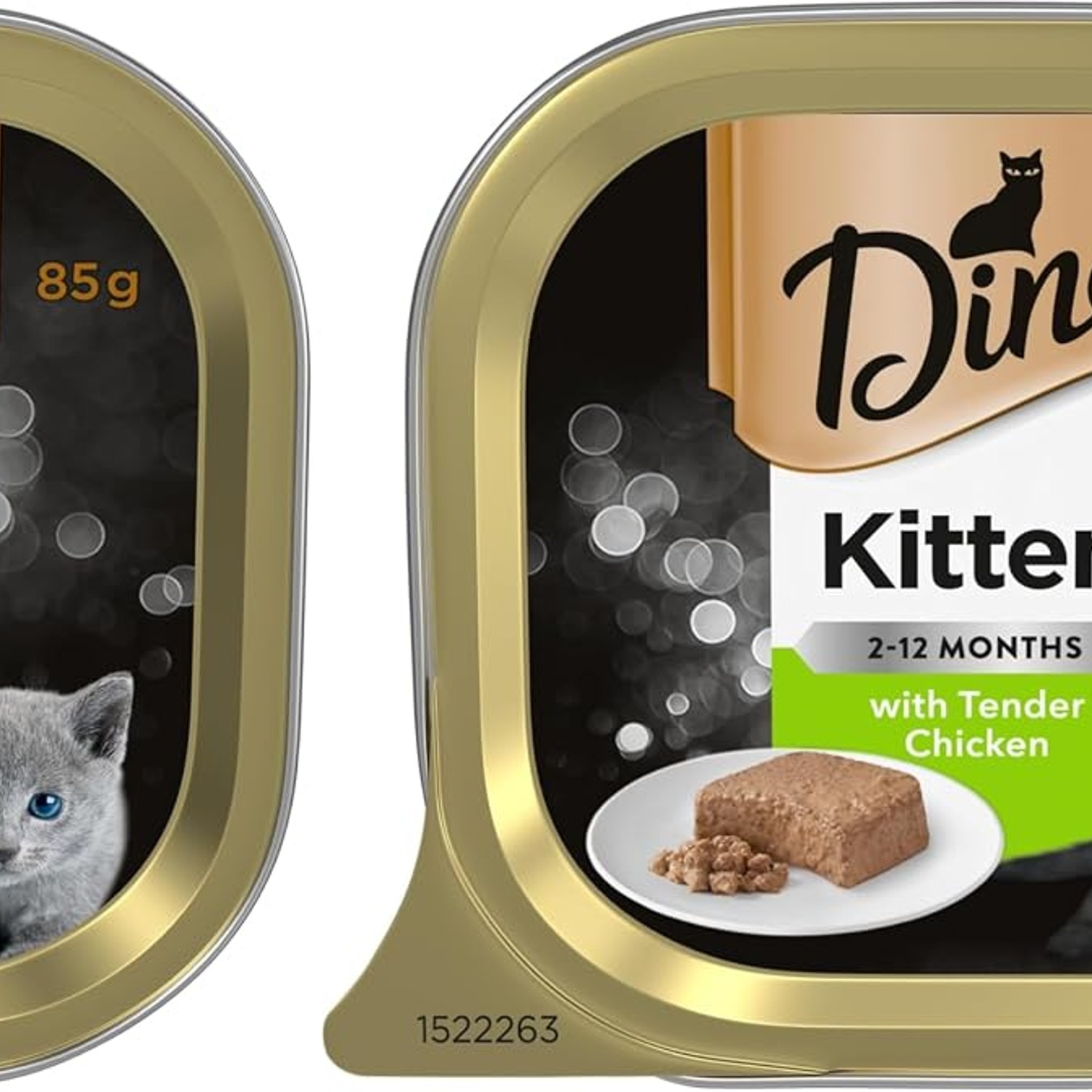
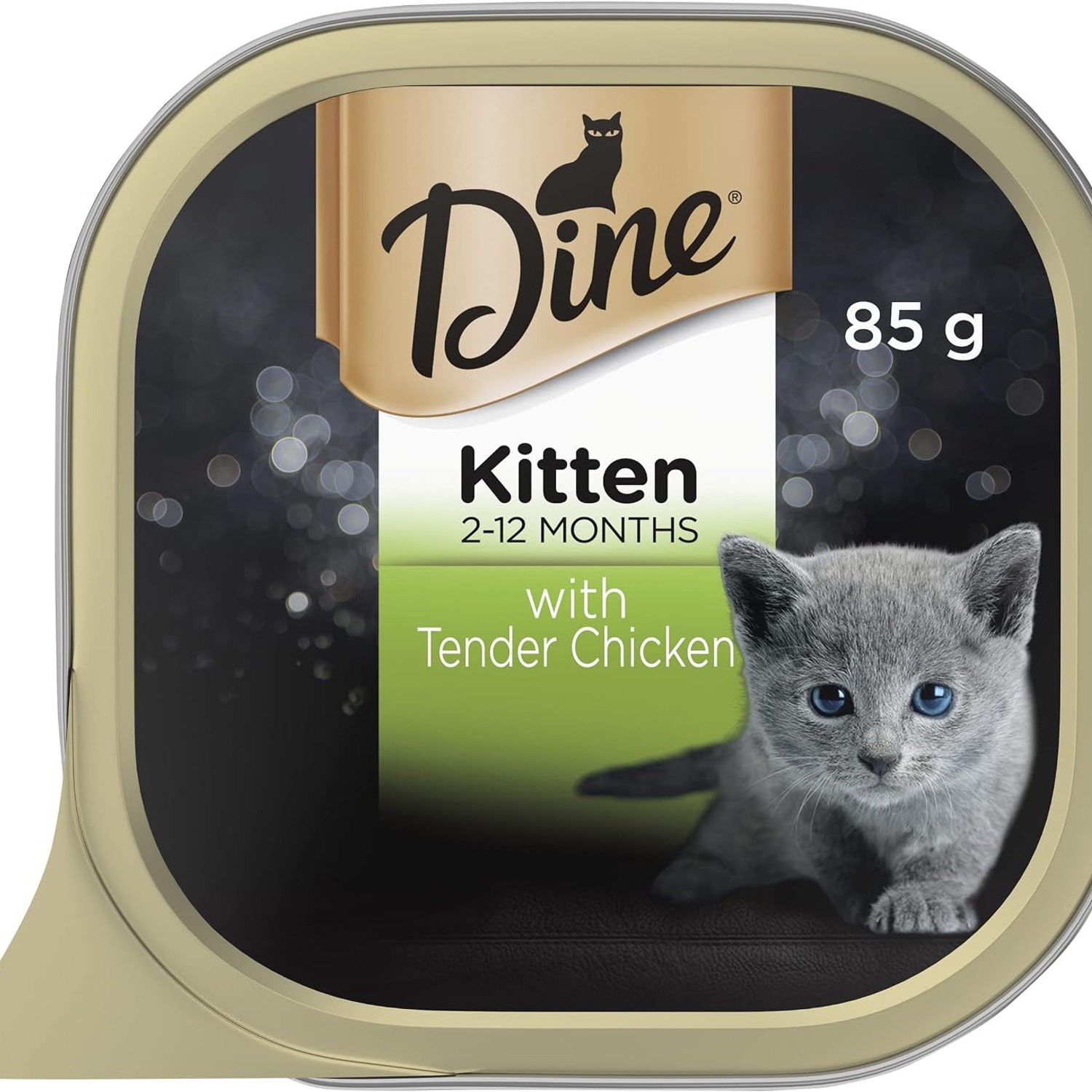
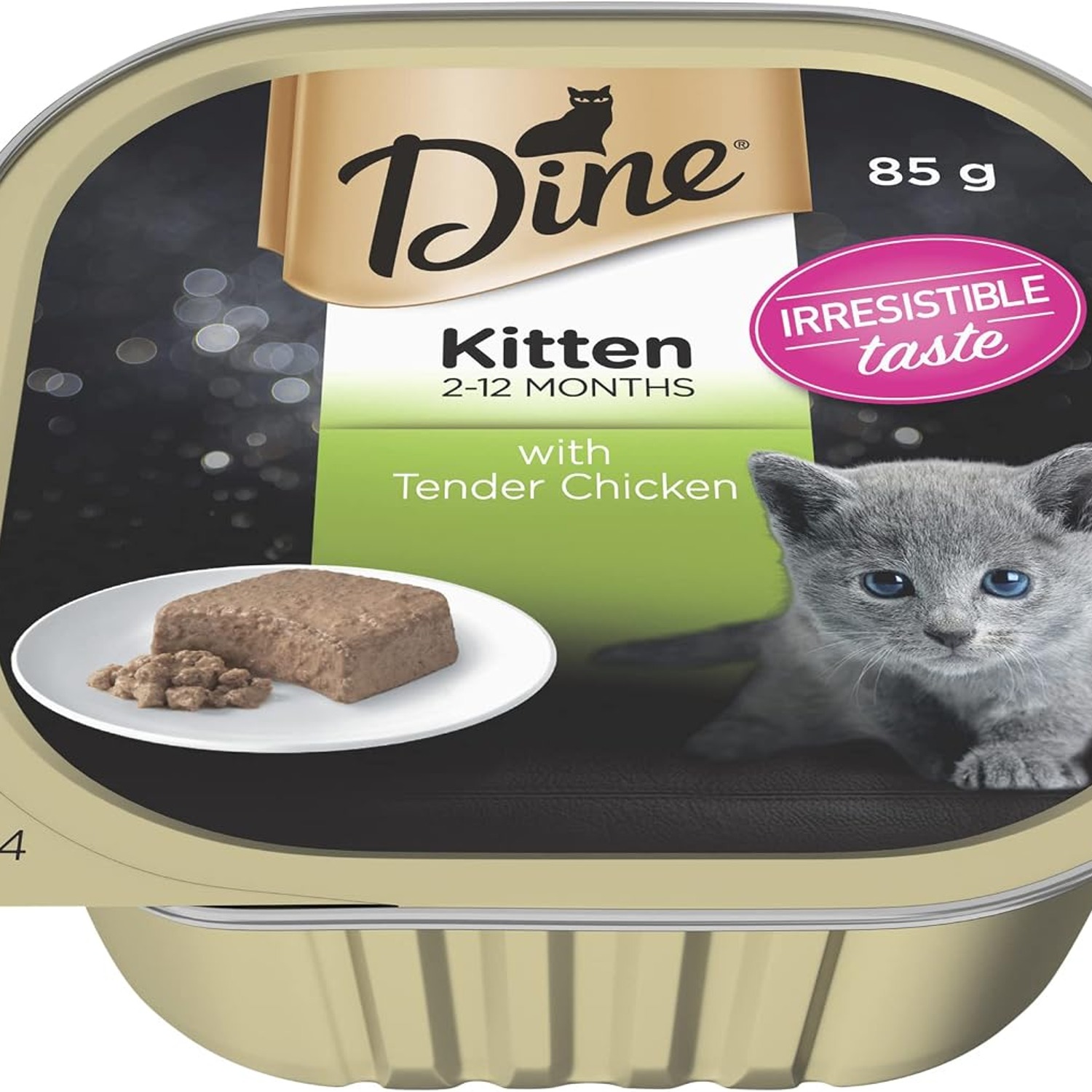
Single-serve wet kitten food trays exist to solve exactly this. One pack, one meal, open and serve. Nothing sits around going stale, the portion is consistent, and you are not standing at the bench trying to judge how much a kitten needs from a half-used tin. This 28 pack of DINE tender chicken gives you 28 of those meals in one box, each at 170 g.
What you are actually buying
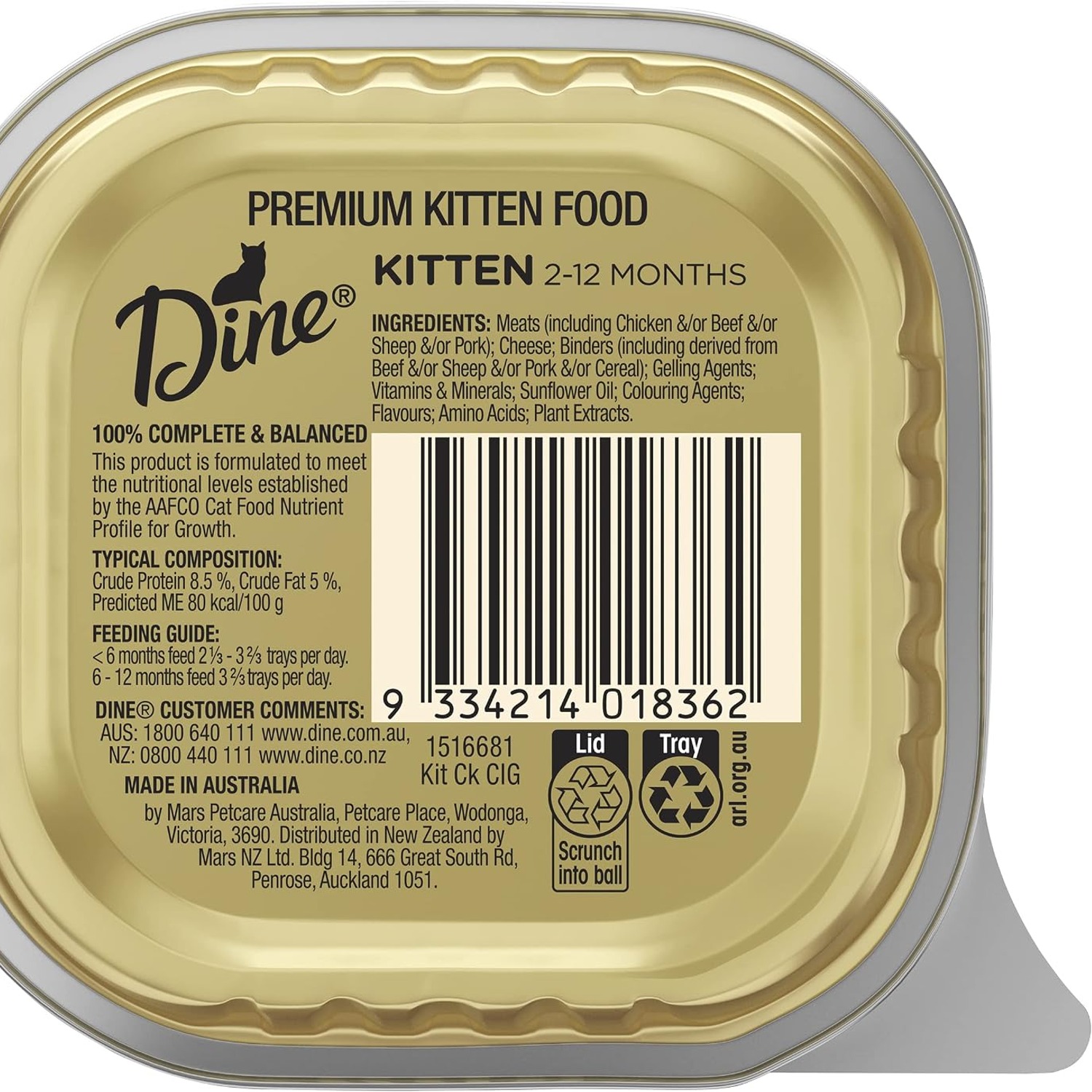
The box contains 28 individual serves of DINE kitten wet food in chicken flavour. Each serve is 170 g, so the total unit count is 2380 g. The maker lists chicken and sunflower oil among the ingredients, and describes the product as complete and balanced nutrition for kittens. It is listed as suitable for all breed sizes.
A few things are worth saying plainly because the maker's description does not state them. The country of origin is not specified by the maker. There is no GTIN listed. The model number and manufacturer part number are both 245784. The best-before date is printed on the pack rather than quoted on a product page, because it varies between production batches. Always read the pack.
How wet food fits into a kitten's day
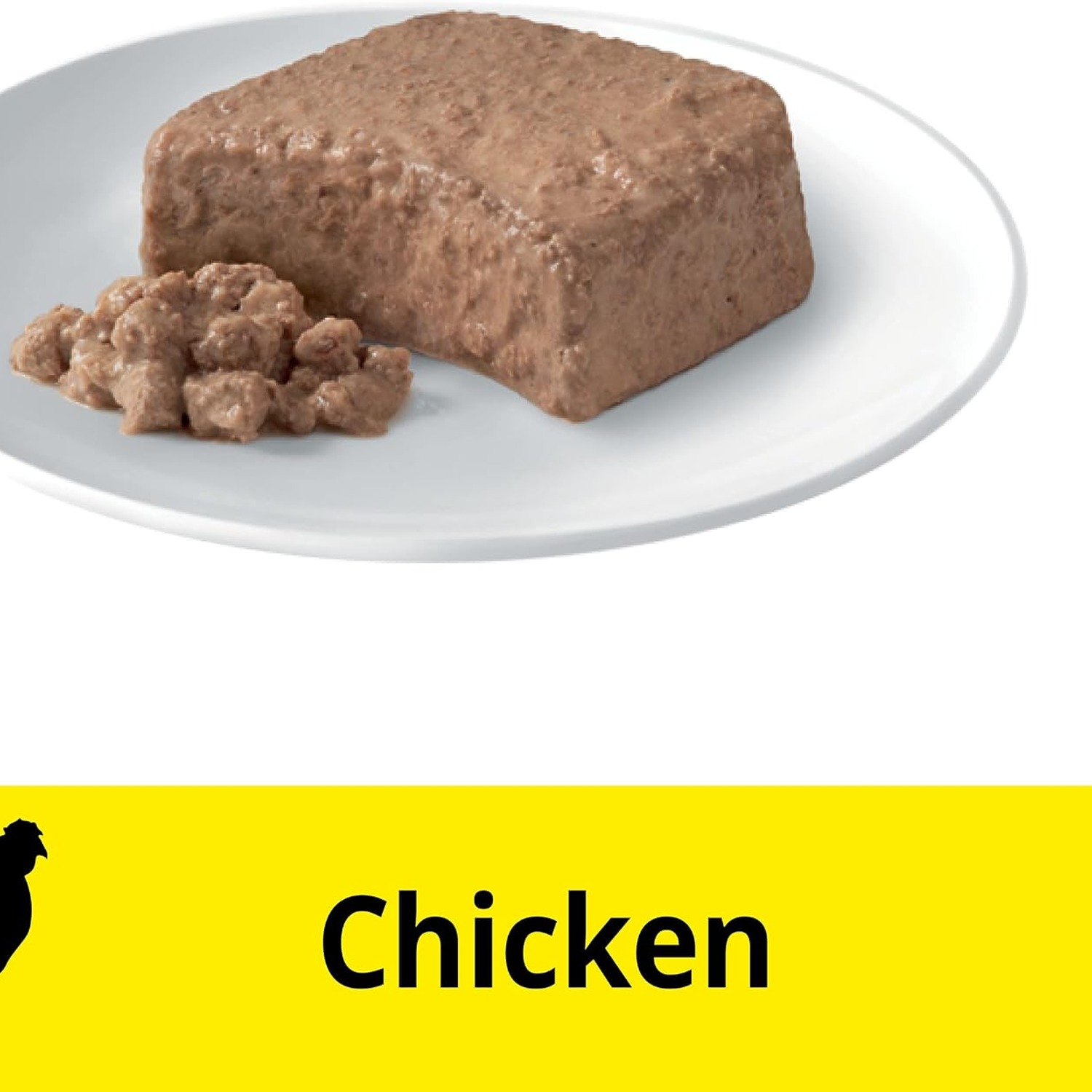
Wet food carries moisture with it, which is one of the reasons many owners include it even when a kitten is also eating biscuits. It is also soft, which matters for a young kitten with small teeth that is still working out how eating is meant to go. A soft chicken recipe tends to be an easier first solid food than something that needs real chewing.
How much and how often to feed depends on your kitten's age and size. The maker's feeding guide is printed on the pack and is the right place to start. Beyond that, your vet is the person to ask, since they can look at your actual kitten rather than an average one. We are not going to put numbers in a web page that might not fit your situation.
Fresh water should always be available, no matter what you feed. Keep the water bowl away from the food bowl and change it daily. Some cats drink more readily from a bowl that is not sitting right next to their dinner.
Who this pack suits
The 28 pack makes most sense for someone who has already settled on wet food as part of their kitten's routine. If you know your kitten eats chicken happily and you are buying trays one at a time, moving to a box drops your cost per meal and cuts down the trips to the shops.
It also suits households with more than one kitten, people caring for a litter, and anyone who likes to keep a buffer in the cupboard. Twenty-eight serves is enough that you are not constantly checking whether you have enough for tomorrow.
If you are brand new to this particular food and your kitten has never tried it, there is an argument for starting smaller. Cats have opinions. Buying a full box before you know whether yours approves is a gamble, and opened food cannot be returned for change of mind. Try a little first, then stock up once you know.
Choosing between pack sizes and formats
When people compare the best wet kitten food options, the real decisions usually come down to three things: format, flavour and pack size.
Format is single-serve versus larger tins. Single serves cost a touch more per gram but waste far less and are much easier to manage day to day. Larger tins are cheaper if you have several cats eating at once and the tin gets finished in one sitting.
Flavour is mostly about what your kitten will actually eat. A single-flavour box like this one is great when you have found something that works. A variety approach suits a kitten that gets bored, although it can also make it harder to spot which flavour caused a problem if something disagrees with them.
Pack size is arithmetic. Work out how many wet meals a week your kitten has, divide 28 by that number, and you have your weeks of coverage. If that number is under two weeks you will want more than one box; if it is over six, consider whether you will get through it comfortably within the dates on the pack.
Introducing a new food without drama
The mistake almost everyone makes at least once is switching food overnight. The bowl comes out, the kitten sniffs it, walks off, and you spend the evening worrying.
A slower approach works better. Start by mixing a small amount of the new food into whatever your kitten already eats. Increase the proportion a little each day over roughly a week until you have changed across completely. If your kitten stalls at some point, hold at that ratio for a few extra days rather than pushing forward.
Serving temperature helps too. Food straight from the fridge smells like almost nothing, and smell is most of the appeal for a cat. Let an opened serve sit out for a few minutes to take the chill off before you put it down. Do not heat it until it is actually warm.
Storage and care
Unopened packs live in a cupboard or pantry. Cool, dry, out of direct sunlight is all they need. There is no reason to refrigerate them and no reason to break the box up.
Once a serve is opened, anything your kitten does not finish should be covered, put in the fridge and used within a day or two. Food left sitting in the bowl for hours should go in the bin rather than back in the fridge. Wash the bowl after every meal, because dried wet food is unpleasant once it sets and it puts cats off their next feed.
A shallow, wide bowl in ceramic or stainless steel is the easy choice. It washes cleanly, does not hold odours, and lets a kitten reach the middle without squashing its whiskers against the sides.
Delivery and returns
Orders are dispatched within two working days and then take up to seven working days with a tracked courier. Delivery is free on orders over $99 and $12 below that.
If an unopened, sealed pack is not right, you can return it within 14 days of delivery with return postage at your cost. Opened food cannot be returned for change of mind, which is standard practice with anything edible. None of this affects your rights under the Australian Consumer Law, which apply in full. If a parcel turns up damaged or the wrong item arrives, just contact us.
A note on health questions
We are a retailer, not a vet. This page describes what the maker states about the product: the flavour, the format, the serve size, the pack count, the listed ingredients and the life stage it is made for. Anything to do with your kitten's digestion, weight, allergies or general health should go to a vet who can examine your animal. That is not us being cautious for the sake of it; it is genuinely the better answer.
The short version
This is a 28 pack of DINE chicken kitten food in 170 g single serves, 2380 g in total. The maker lists chicken and sunflower oil among the ingredients and describes the recipe as complete and balanced nutrition for kittens, suitable for all breed sizes.
Buy the box if your kitten already eats and enjoys this kind of food, because the cost per meal drops and you stop running out. Try a smaller amount first if this is new territory. Store it cool and dry, refrigerate leftovers from an opened serve, serve at room temperature, and keep water available. Check the best-before date printed on the pack, and take any health or feeding-amount questions to your vet.